
Guide
How to pool money for a group gift
Pooling money for a group gift is a small piece of bookkeeping wearing a party hat. Someone has to say what the gift is, someone has to hold the money, and everyone else has to know the number they agreed to. Gift Potluck keeps the list of pledges. It does not take a payment, store a card, or pay the organizer. This guide is the etiquette around that split.
One organizer, one recipient, one pot
Pick the organizer before you pick the gift. The organizer is the person who can actually receive PayPal, Venmo, or an Interac e-Transfer, and who will answer a message on a Tuesday. They do not have to be the person who wraps the present. They do have to be willing to say, out loud, how much has arrived.
Name the recipient and the occasion on the pool before you invite the group. 'Something for Priya's last day' is enough. A vague pot with no recipient becomes a debate about whether the money is for a gift, a lunch, or a donation. If the group wants two gifts, make two pools. Mixed pots are where $20 disappears.
Ask for a pledge, not a vibe
A pledge is a dollar amount with a name on it. 'I'm in' is not a pledge. In the tool, each person adds their name and an amount. The total updates. If you have a goal, the pot shows pledged money against that goal. People can pledge toward a specific idea or toward the pot in general.
Suggest a range in the invitation if the group has very different salaries. 'Anything from $10 to $40 is welcome, and a smaller pledge is still a pledge' prevents a single number from feeling like a bill. Do not publish a suggested amount that a student on the team cannot meet, and then act surprised when they go quiet.
PayPal, Venmo, and Interac are different shapes
PayPal.me can open with an amount in the link. Venmo can open a pay screen with an amount and a note. Interac e-Transfer cannot. The Canadian transfer is something the sender starts in their banking app, using an email address and an amount they type themselves. On a shared Gift Potluck plan the organizer can save any of those that they actually have. A pledger sees a PayPal button, a Venmo button, or a button that copies the Interac email and the amount, with instructions to finish the transfer in their bank.
Etiquette is the same for all three. Put the recipient's name and the occasion in the payment note, not a joke that will look strange on a bank statement. Send the amount you pledged, not a surprise extra, unless you tell the organizer. Do not send a payment request the other direction. The organizer asked for money. They should not also have to approve a request.
- PayPal: use the organizer's PayPal.me, and check the amount before you confirm.
- Venmo: use a pay, not a request, and put the occasion in the note.
- Interac: copy the email and the amount, send from your bank, then mark the pledge sent.
- Cash: mark it sent only when you have handed it over, not when you intend to.
Sent is not the same as confirmed
The pool uses three words on purpose. Pledged means the person typed a number. Sent means they say the money has left them. Confirmed means the organizer says it arrived. The progress bar counts sent and confirmed toward the goal, so the group can see movement before the organizer has reconciled every transfer. Only the organizer should confirm. A pledger confirming their own transfer is how the total lies.
Set a due date a few days before the gift has to be bought, not the morning of the party. People transfer on lunch breaks. A due date of 'the party' means the organizer is buying the gift with their own money and hoping. If you are signed in, the organizer can nudge people whose pledges are still unpaid, at most once a day. Automatic notes can also go out a few days after a pledge and the day before the due date, but only to people who pledged with a Google sign-in and have not opted out.
Buy one gift, and say what happens to the leftover
Decide the gift from the ideas and the votes, then buy it with the confirmed money. If the gift costs less than the pot, the invitation should already have said whether the extra becomes a card, a second small thing, or a refund. Refunds are the organizer's job in the same payment app. The site cannot push money back.
A single substantial object is usually kinder than a basket of filler. The shelf on the pool shows real products the group might fund together, such as headphones, a coffee maker, or a cookware set. Those are examples with photos. They are not prices, and they are not the only acceptable gifts. Open Amazon and read the price before you announce that the pot can cover one of them.
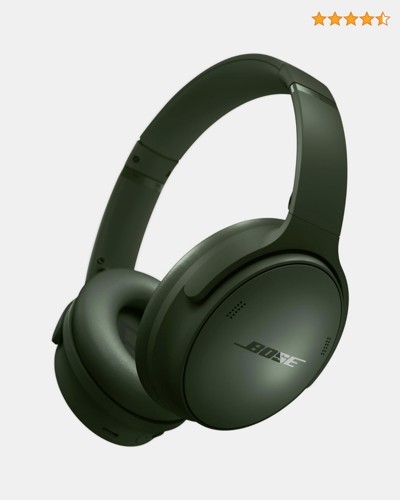
Bose QuietComfort Headphones
A little peace, gifted by the whole group.
See on Amazon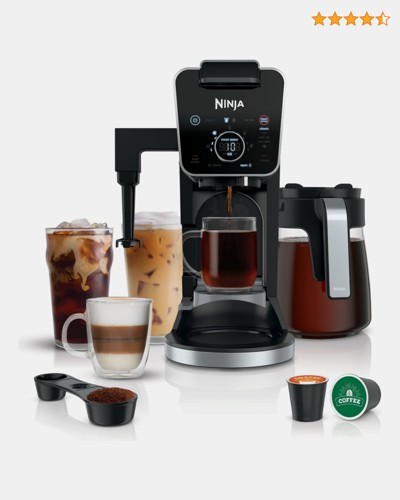
Ninja DualBrew Pro Coffee Maker
For the friend who fuels the whole crew.
See on Amazon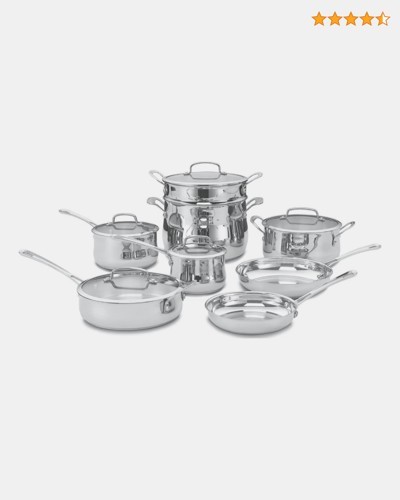
Cuisinart Contour 13-piece Cookware Set
Their next dinner party starts right here.
See on Amazon
What not to do
Do not add the recipient to the pledge thread if the gift is a surprise. Do not let three people collect money in three apps. Do not shame a small pledge in the group chat. Do not buy the gift before the due date and then treat later pledges as debt. And do not store the organizer's bank password, card number, or security answer in the plan note. An email address or a PayPal.me name is the whole instruction.
If the occasion is a coworker leaving, the same rules apply with a sharper need for privacy. Read the farewell guide before you invite the team. If the guest list is really a shower, a registry may fit better than a single pot. The registry guide is the other door.
As an Amazon Associate, Gift Potluck earns from qualifying purchases. Prices and ratings stay on Amazon.
Questions people actually ask
- Should the recipient be the organizer?
- No, if the gift is a surprise. The organizer holds the list and the money. The recipient can be sent a wishlist link only when the surprise allows it.
- Is a pledge the same as a payment?
- No. A pledge is a number the group can see. Payment happens in PayPal, Venmo, a bank's Interac e-Transfer, or cash. Gift Potluck does not sit in the middle.
- What if someone pledges and goes quiet?
- On a shared plan the organizer can nudge unpaid pledges once a day. Only people who pledged while signed in can be emailed. Everyone else needs a normal message.
- Which payment method should we pick?
- The one the organizer already uses. Offer more than one if the group crosses a border. Do not invent a method nobody can receive.
- Can we skip a goal?
- Yes. A goal helps the progress bar. A running total still works if the gift is 'whatever we collect by Friday.'
- Should we show amounts with names?
- The pool shows the name and the amount that were typed. If your group prefers privacy, agree a flat amount in the invitation and ask people to pledge that amount.
- What about refunds?
- That is between the organizer and the group. The site has no charge to reverse. Write down what happens if the gift is cheaper than the pot.
- Can the extra money become a card?
- Yes, if you said so at the start. Leftover money is the argument that starts when nobody said so.